
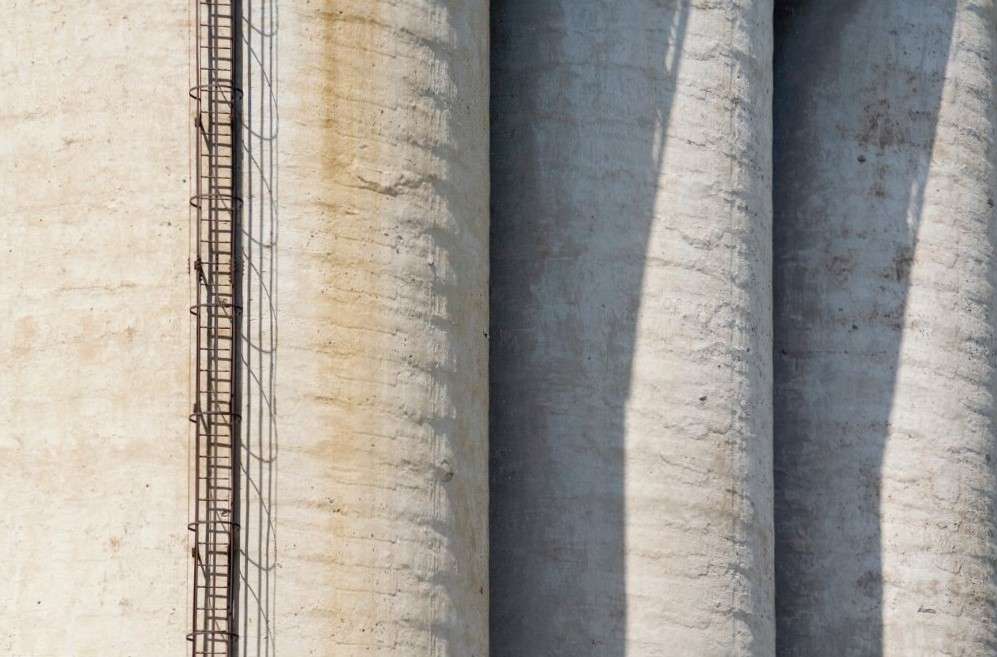
A successful harvest depends entirely on planning ahead. For farm owners and co-op operators, that planning must include structural maintenance—specifically for your concrete grain storage facilities.
If you notice cracking, flaking concrete (spalling), or exposed rebar on your silo walls, you need to address it quickly. Scheduling professional repairs during the spring or early summer is the best way to prevent grain contamination, avoid massive crop spoilage, and eliminate the risk of a catastrophic structural collapse when the bin is filled to capacity.
Why Spring and Early Summer Are Best for Silo Repair
Except for sudden emergency structural failures, standard silo maintenance should be scheduled months before harvest begins.
Weather plays a major factor in concrete repair. The specialized epoxies and polyurethane resins used to seal concrete require moderate temperatures to cure and bond correctly. Extreme winter cold freezes moisture inside the cracks and halts the curing process, while intense mid-summer heat causes coatings to dry too quickly, reducing their strength.
More importantly, starting repairs early ensures your facility is completely dry, cured, and structurally reinforced long before the autumn trucks arrive. Waiting until the last minute risks costly delays during peak harvest weeks.
Three Major Risks of Ignoring Concrete Cracks
Concrete grain silos face unique internal and external pressures. Seasonal temperature changes flex the concrete from the outside, while tons of shifting grain push outward from the inside. This constant stress inevitably causes micro-cracks. If left unaddressed, these small gaps create three major problems:
1. Weakened Structural Integrity
A crack is never static. As water enters a crack during winter, it freezes and expands, forcing the crack wider. Once water reaches the internal steel rebar, the metal rusts and swells. This causes the surrounding concrete to break away entirely (spalling), rapidly weakening the silo wall. Under the immense pressure of full grain storage, cracked walls can fail completely, leading to a dangerous and expensive structural blowout.
2. Crop Spoilage from Moisture
The smallest hairline crack is wide enough to let rain and melted snow seep inside. When moisture hits dry grain, the grain swells, rots, and creates hot spots. This damp environment is the perfect breeding ground for mold and mildew, which can quickly spread through the entire silo and ruin the market value of your whole yield.
3. Pest and Insect Infestation
Widening cracks create easy entry points for dust, microbes, birds, and rodents. Even worse, flying pests like the granary weevil can squeeze through small concrete fissures. Once inside, they lay eggs directly in the silage. A minor crack can easily result in a massive infestation that ruins your strict quality compliance.
Proactive Inspections Prevent Expensive Fixes
To keep your operations profitable, you should conduct a visual walk-around inspection of your silos every six months, alongside a professional structural evaluation every two to five years. Catching a small crack early allows for a simple high-pressure resin injection rather than a major structural overhaul.
Taking care of your concrete storage goes hand-in-hand with keeping your other farm assets in peak condition, whether that means scheduling a preventative metal roof restoration in Nebraska for your equipment sheds or repairing failing foundations with specialized grain bin repair in Nebraska.
Protect Your Harvest with NIJAC
At NIJAC Roofing & Insulation, we provide expert concrete silo restoration, weatherproofing coatings, and structural reinforcements. We understand agricultural schedules and work efficiently to get your facilities fully prepped and certified before harvest begins.
Don’t risk your hard work to a cracked silo. Contact NIJAC Roofing & Insulation today for a direct structural inspection and concrete grain elevator crack repair estimate.