
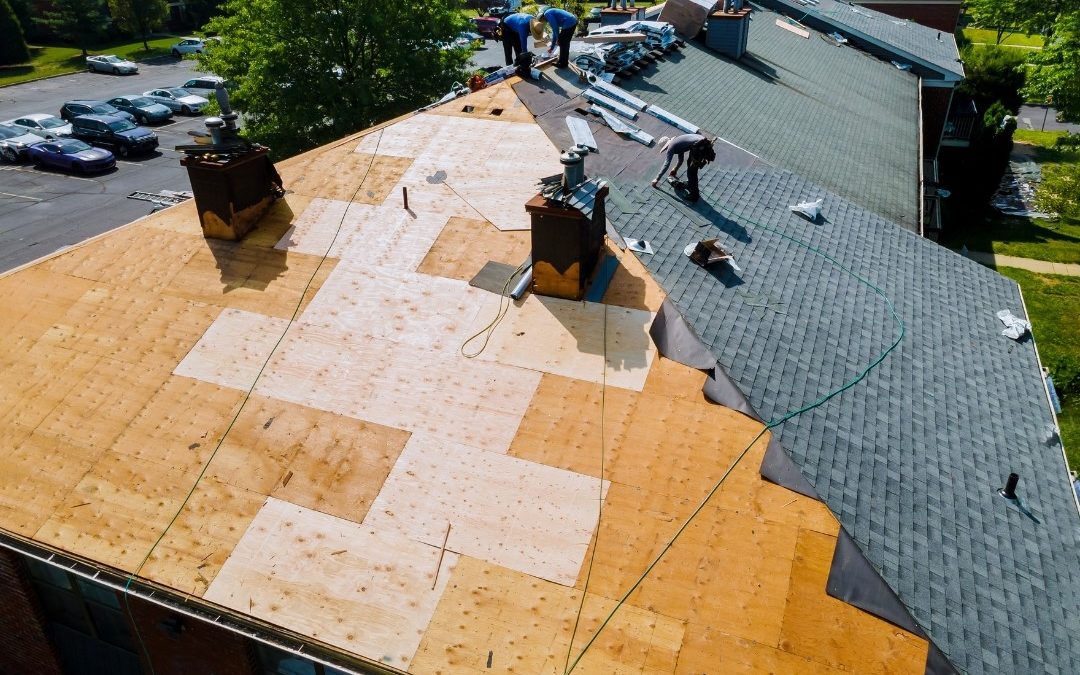
When your facility’s roof starts leaking, you have to make a quick financial choice: patch the problem areas or replace the entire roof. Making the wrong call wastes money. A cheap patch on a completely failed roof will just leak again next month, while replacing a roof that could be saved with a simple coating wastes valuable capital.
Here is how to tell which option makes the most sense for your building.
Real Lifespans of Commercial Roofing Materials
Before deciding, look at the age of your roof. Under normal conditions, well-installed industrial roofs generally last for these timeframes:
- TPO / PVC Membranes: 20 to 30 years
- EPDM Rubber: 25 to 35 years
- Metal Roof Panels: 40 to 60+ years (if kept rust-free)
- Modified Bitumen: 20 years
- Concrete Silo Tops: 50+ years (if cracks are repaired early)
If your roof is less than halfway through these lifespans, a localized repair or a liquid restoration coating is usually the smartest choice. If it is hitting these limits, the underlying structure is likely degrading, making replacement necessary.
How to Check the Damage
To choose the right path, you need to know if your issue is isolated or systemic.
Isolated Damage (Choose Repair)
If a storm rips off a small section of flashing, or a fallen tree limb damages a metal storage shed, the problem is local. The rest of the roof is still in great shape. You only need a targeted repair to fix the specific spot.
Systemic Failure (Choose Replacement)
If your TPO roof has failing seams everywhere, or if a metal roof is rusted thin across the whole building, patches will not work anymore.
Another major issue is wet insulation. In cold states like North Dakota or Minnesota, roof leaks soak the insulation boards hidden underneath the roof membrane. Wet insulation loses its ability to keep heat in, driving up your energy bills. Worse, it traps water against the metal or wood deck, causing it to rot or rust out completely. If an infrared scan shows that more than 25% of your insulation is soaked, you need a full replacement.
Budget, Weather, and Timing
A full roof replacement requires days of dry, warm weather. You cannot safely tear off a large commercial roof during a freezing winter or during spring storm seasons without risking major water damage to the inside of your building.
If your roof fails during bad weather, the best move is to pay for emergency repairs to stop the water, then plan a full replacement or restoration when the weather clears up.
The Math on Repairs vs. Replacement
Replacement costs more upfront but saves money in the long run if your roof is old. A good rule of thumb: if your annual repair bills add up to more than 10% of what a new roof would cost, or if recurring leaks threaten expensive manufacturing machinery or dry grain storage, it is time to replace it.
Special Rules for Industrial & Agricultural Buildings
Large commercial and agricultural roofs handle distinct pressures that standard residential roofs never face.
For example, concrete grain silos often develop cracks from seasonal temperature swings and the weight of stored grain. When water gets into those cracks, it rusts the internal steel rebar, causing the concrete to break apart. In these cases, standard roofing patches fail. Instead, you need specialized concrete grain elevator crack repair in Kansas to seal the structure and prevent grain spoilage.
Similarly, an old, rusted farm building doesn’t always need to be torn down. You can often use a metal roof restoration in Nebraska to apply a seamless waterproof coating over the existing steel panels for a fraction of the cost of a new roof.
Get a Professional Assessment
Determining the true state of a large roof requires specific tools, like moisture meters and thermal cameras. At NIJAC Roofing & Insulation, we analyze commercial envelopes across the country to give property owners clear, no-nonsense options. Whether you need a simple flat roof fix or advanced hybrid insulation in Minnesota to control your building’s climate, we can help.
Stop guessing about your roof. Contact NIJAC Roofing & Insulation today for an honest inspection and repair estimate.